
A ticking noise, a rough idle, or a temperature gauge climbing on a 2011-2013 Dodge Durango or Jeep Grand Cherokee with the 3.6-liter Pentastar V6 commonly points to a cylinder head problem. The left cylinder head on early Pentastar engines is commonly diagnosed as having a design defect that leads to cracking or failure, causing coolant loss, misfires, and overheating. Catching it early is the difference between a cylinder head replacement and a destroyed engine.
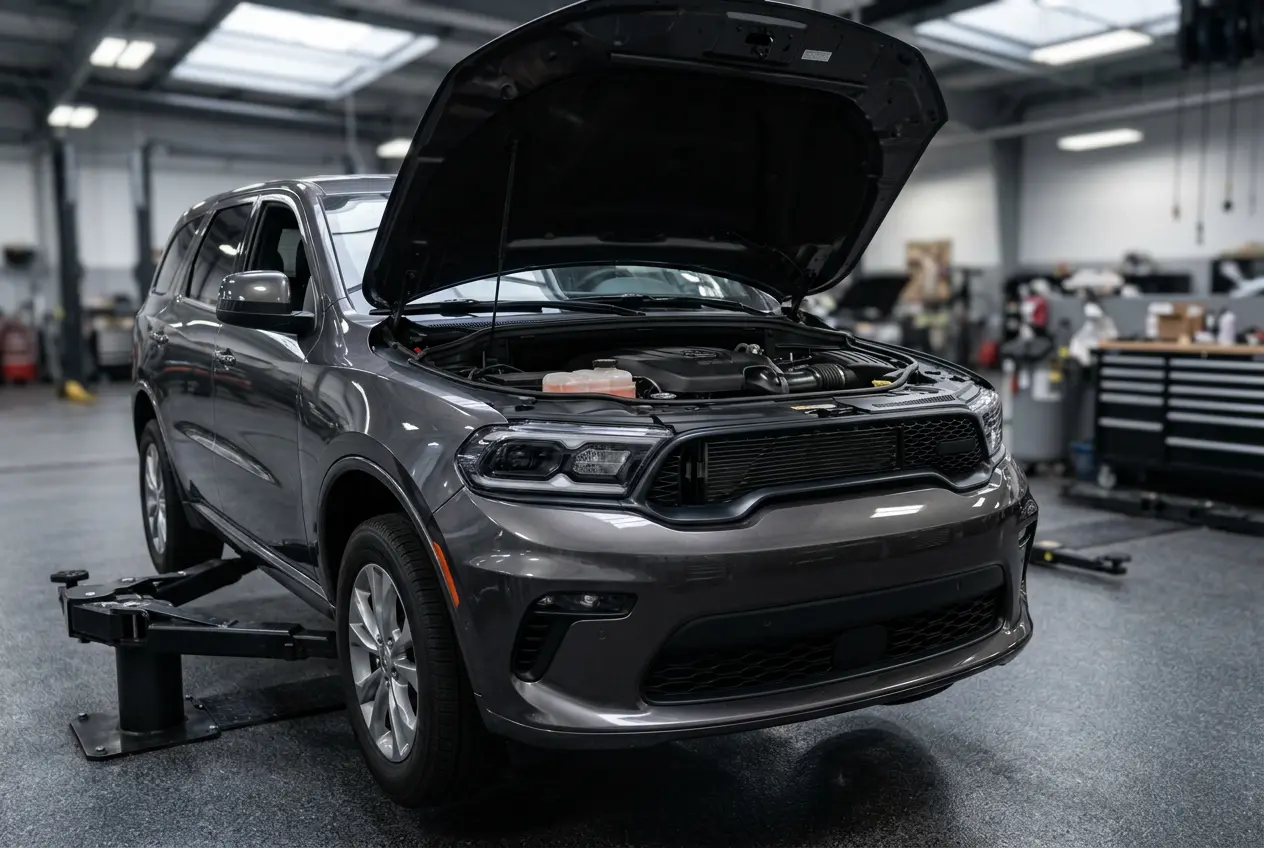
Which vehicles are affected?
This issue is commonly reported on roughly 2011-2013 model years of the Dodge Durango and Jeep Grand Cherokee equipped with the 3.6-liter Pentastar V6. If your vehicle falls in that window and you are hearing a tick or seeing coolant disappear without an obvious leak, the left cylinder head is the first place to look.
What does the ticking actually mean?
A tick from the top of the engine on a 3.6 Pentastar is not normal valve noise. On early Pentastar engines, the tick commonly signals that the left cylinder head has developed a crack or that a rocker arm or valve train component has been starved of oil due to a head failure. Left alone, the tick gets louder and is followed by a misfire code and coolant loss.
Symptom stages: early, mid, and late
- Early: A faint metallic tick at idle or cold start, especially from the driver’s side of the engine. No warning lights yet. Coolant level may be slightly low with no visible puddle under the vehicle.
- Mid: The tick is louder and present at all RPMs. A misfire shows up, often on cylinders 1, 3, or 5 (the left bank). The temperature gauge climbs above normal. A check engine light comes on.
- Late: Significant coolant loss, white exhaust smoke, rough running at all speeds, and a temperature gauge in the red. At this stage, the head gasket may also be compromised, and the engine block deck could be warped.
Is it safe to keep driving?
No. A ticking 3.6 with a misfire or rising coolant temperature is not safe to drive. Overheating a Pentastar with a cracked head can warp the block deck, turn a cylinder head replacement into a full engine replacement, and leave you stranded. If the temperature gauge moves above normal, pull over and have the vehicle towed.
What does the repair involve?
The standard repair for a confirmed left cylinder head failure on the early 3.6 Pentastar involves removing the intake manifold, valve covers, and timing components on the affected bank, then pulling the cylinder head. The block deck is inspected for warping and resurfaced if needed. A new or remanufactured cylinder head is installed with updated head bolts and gaskets. The cooling system is flushed and refilled, and the engine is run through a full warm-up cycle to confirm no leaks and correct temperature.
If the right head shows wear or the engine has high mileage, both heads are often addressed at the same time to avoid a repeat job. Parts sourcing matters: Mopar and AC/Delco-grade components are the standard here, not economy-line castings.
What does the repair cost, and what moves the price?
There is no single number without seeing the vehicle. Here is what drives the cost up or down:
| Factor | Lower cost | Higher cost |
|---|---|---|
| Heads affected | Left head only, no block damage | Both heads, warped deck surface |
| Block deck condition | Flat, no resurfacing needed | Warped, requires machine shop work |
| Timing components | Tensioners and guides in good shape | Worn tensioners replaced at the same time |
| Parts sourcing | Remanufactured head, standard gasket set | New OEM head, updated hardware kit |
| Coolant system condition | Clean coolant, no additional flush needed | Contaminated coolant, full system flush |
An honest price requires a diagnosis first. Dealer coverage may apply depending on your VIN and mileage, and that changes the picture entirely. Check your VIN at NHTSA’s recall lookup and contact your dealer before paying out of pocket. If dealer coverage no longer applies, Wall Street Automotive handles the repair with OEM-grade parts at competitive rates.
Should I check with the dealer first?
Yes, and it is worth doing before you authorize any repair. Whether dealer coverage applies depends on your VIN and mileage. Start at Mopar’s owner resources or call your local Chrysler-Dodge-Jeep dealer with your VIN. If coverage has expired or does not apply, an independent shop handles the repair with the same OEM-grade parts.
Why does this matter more in West Texas?
Midland’s summer heat regularly pushes past 100 degrees, and with no shade on a flat basin, your Durango or Grand Cherokee sits in direct sun all day. That kind of heat puts extra load on an already-stressed cooling system. A cylinder head that is marginal in a milder climate can fail faster here. If you have been running the AC hard all summer and you start hearing a tick, do not wait to have it checked.
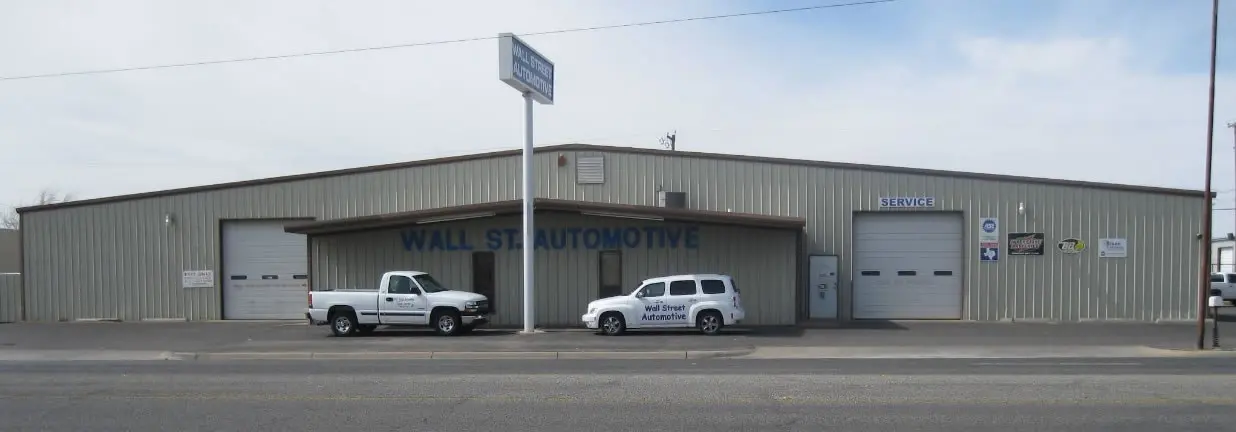
Wall Street Automotive is a full-service shop with ASE-Certified and MOPAR Master Technician credentials, handling engine work on domestic vehicles including Chrysler, Dodge, and Jeep platforms. Drivers in College Heights and Crestview Heights are close to our W Wall St location. We also serve the broader Midland area, including customers from Wilshire Heights and Permian Estates. We are a third-party warranty specialist, so if your vehicle is covered under an aftermarket warranty program, we can work with that program directly.
If your vehicle has brake concerns alongside the engine issue, see our related post on hard brake pedals on 2014-2018 Chevy trucks and SUVs for context on how powertrain and brake system problems can overlap.
Frequently Asked Questions
Is the early Pentastar 3.6 head failure covered for free?
Dealer coverage may apply depending on your VIN and mileage. Check your VIN at NHTSA’s recall lookup and call your local Chrysler-Dodge-Jeep dealer before paying out of pocket.
Can I keep driving with a ticking noise from my 3.6 engine?
A persistent tick combined with a misfire or rising coolant temperature means you should stop driving and have the vehicle towed or inspected immediately. Continuing to drive risks severe engine damage.
Which vehicles are affected by the early Pentastar head issue?
The issue is commonly reported on roughly 2011-2013 Dodge Durango and Jeep Grand Cherokee models equipped with the 3.6-liter Pentastar V6.
What does a cylinder head replacement involve?
The repair involves removing the intake manifold and valve covers, pulling the affected cylinder head, inspecting the block deck, and installing a new or remanufactured head with updated gaskets and hardware. The cooling system is flushed and refilled as part of the job.
How much does a cylinder head repair cost on a 3.6 Pentastar?
Cost varies based on whether one or both heads need replacement, labor time, and parts sourcing. There is no single number without inspecting the vehicle first. See the cost section above for what moves the price.
If your 2011-2013 Durango or Grand Cherokee is ticking, misfiring, or running hot, bring it to Wall Street Automotive on W Wall St in Midland. Drew Camp, owner and ASE-Certified MOPAR Master Technician, and the Wall Street Automotive team will diagnose the engine, pull the codes, and give you a straight answer on what the repair involves and what it will cost. We offer free shuttles and courtesy vehicles so you are not stranded while we work.
Call us: (432) 694-2277 | Schedule online
Hours: Monday through Friday, 7:00 AM to 6:00 PM. After-hours drop-off is available.